
Course
The POP™ Leadership Framework
Helping Leaders Move from Headcount to Heartcount™
A practical leadership development program designed to equip managers and business leaders with the tools to align people, performance, and organizational success.
-
-
Lesson 1 - Aligning People, Purpose, and Performance
Learning Objectives:
• Understand the connection between organizational goals and employee performance
• Translate business objectives into clear team expectations
• Build alignment between individual contributions and organizational successKey Topics:
• Strategic alignment
• Goal setting
• Role clarity
• AccountabilityLeadership Tool:
The Alignment Conversation FrameworkLearning Objectives:
• Understand the connection between organizational goals and employee performance
• Translate business objectives into clear team expectations
• Build alignment between individual contributions and organizational successKey Topics:
• Strategic alignment
• Goal setting
• Role clarity
• AccountabilityLeadership Tool:
The Alignment Conversation Framework -
Lesson 2 - Building High-Performing Teams
Introduce your lesson with an optional, short summary. You can edit this excerpt in lesson settings.
Introduce your lesson with an optional, short summary. You can edit this excerpt in lesson settings.
-
-
-
Lesson 1 - Leading Through Process & Execution
Introduce your lesson with an optional, short summary. You can edit this excerpt in lesson settings.
Introduce your lesson with an optional, short summary. You can edit this excerpt in lesson settings.
-
Lesson 2 - Managing Change and Organizational Growth
Introduce your lesson with an optional, short summary. You can edit this excerpt in lesson settings.
Introduce your lesson with an optional, short summary. You can edit this excerpt in lesson settings.
-
-
-
Lesson 1 - Coaching for Accountability and Results
Coaching for Accountability and Results
Learning Objectives:
• Conduct effective coaching conversations
• Improve employee performance
• Strengthen leadership credibilityKey Topics:
• Feedback techniques
• Coaching models
• Performance improvement
• Employee developmentLeadership Tool:
POP™ Coaching ModelCoaching for Accountability and Results
Learning Objectives:
• Conduct effective coaching conversations
• Improve employee performance
• Strengthen leadership credibilityKey Topics:
• Feedback techniques
• Coaching models
• Performance improvement
• Employee developmentLeadership Tool:
POP™ Coaching Model -
Lesson 2 - Measuring What Matters
Measuring What Matters
Learning Objectives:
• Identify meaningful performance indicators
• Track progress and outcomes
• Create a culture of accountabilityKey Topics:
• Performance metrics
• Talent analytics
• Engagement indicators
• Continuous improvementLeadership Tool:
Leadership Scorecard DashboardMeasuring What Matters
Learning Objectives:
• Identify meaningful performance indicators
• Track progress and outcomes
• Create a culture of accountabilityKey Topics:
• Performance metrics
• Talent analytics
• Engagement indicators
• Continuous improvementLeadership Tool:
Leadership Scorecard Dashboard
-
Meet Your Instructor
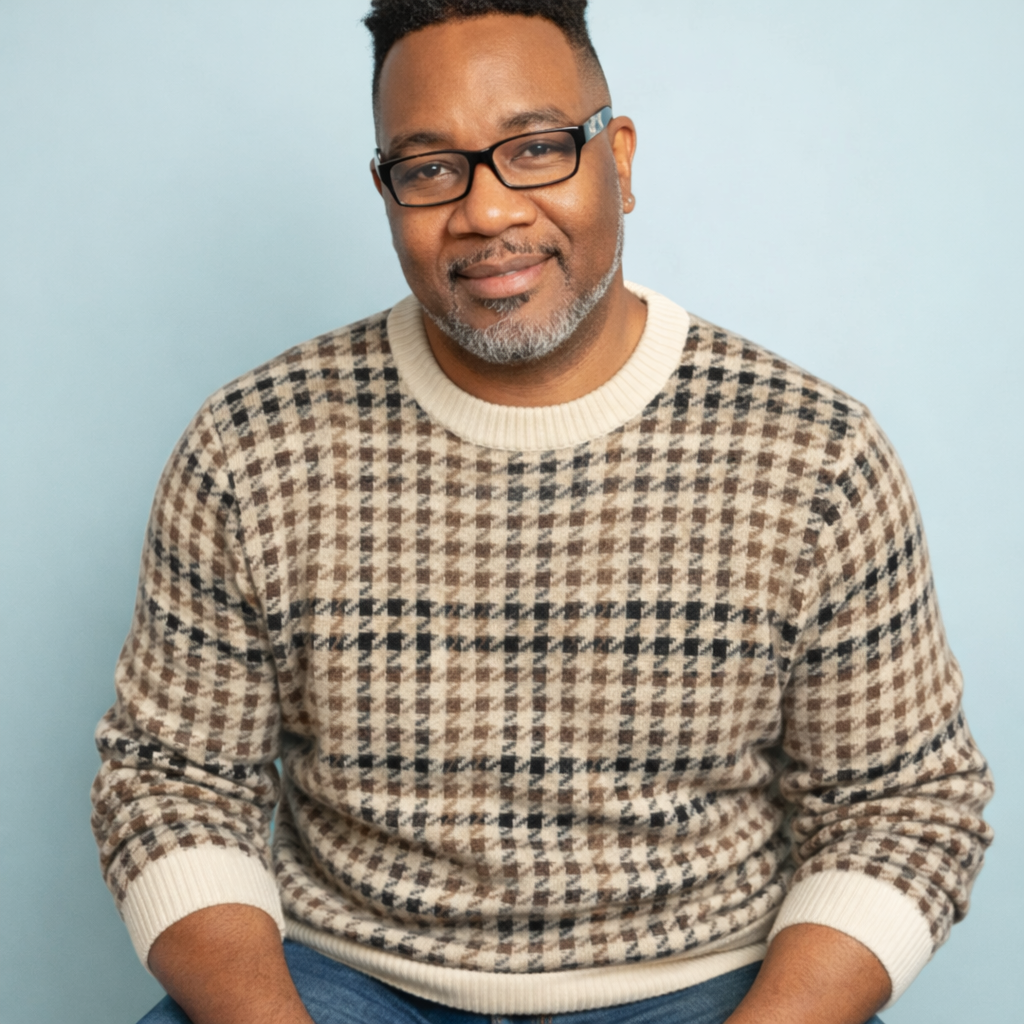
B. Isaac Fennell is an Executive HR Leader, Chief People Officer, and trusted advisor with more than 30 years of experience helping organizations scale, transform, and execute. Throughout his career, he has partnered with CEOs, executive leadership teams, and Boards to build high-performing cultures, strengthen leadership capability, improve workforce effectiveness, and drive business results.
Isaac has led People and Culture functions for organizations ranging from entrepreneurial startups to global enterprises with more than 2,500 employees across healthcare, consumer products, media, technology, retail, manufacturing, and professional services. His experience spans workforce planning, talent acquisition, organizational development, employee relations, leadership coaching, and operational excellence.
As Founder and President of Popcorn People Consulting, Isaac created the POP™ Framework—Performance Alignment, Operational Excellence, and Performance Validation- to help leaders translate strategy into action, develop stronger teams, and create sustainable organizational success.
Known for his practical, people-centered approach, Isaac believes exceptional leadership begins by moving organizations from Headcount to Heartcount™, aligning business performance with employee engagement, accountability, and growth.
Frequently Asked Questions
-
The POP™ Leadership Framework is designed for supervisors, managers, directors, business leaders, and emerging leaders who want to improve team performance, strengthen leadership effectiveness, and create greater organizational impact. Whether you are leading a small team or an entire department, the framework provides practical tools that can be applied immediately.
-
Unlike many leadership programs that focus primarily on theory, the POP™ Framework is built around practical application. Participants learn how to align people with business goals (Performance Alignment), improve systems and execution (Operational Excellence), and create sustainable accountability and measurable results (Performance Validation). The framework is designed to help leaders move from intention to action.
-
Upon completion, participants will be able to:
Align team goals with organizational objectives
Lead more engaged and accountable teams
Conduct effective coaching and performance conversations
Improve operational effectiveness and team execution
Measure meaningful performance outcomes
Develop a practical leadership action plan for continued growth
Most importantly, participants leave with tools and strategies they can implement immediately within their teams and organizations.
-
While the course incorporates proven People and Culture practices, it is fundamentally a leadership and business performance program. The POP™ Framework equips leaders to improve communication, accountability, team effectiveness, operational execution, and organizational performance. The principles are valuable for leaders across all functions, industries, and organizational levels.